
Field Notes
Which roller nap to use
Technique · 4 min read
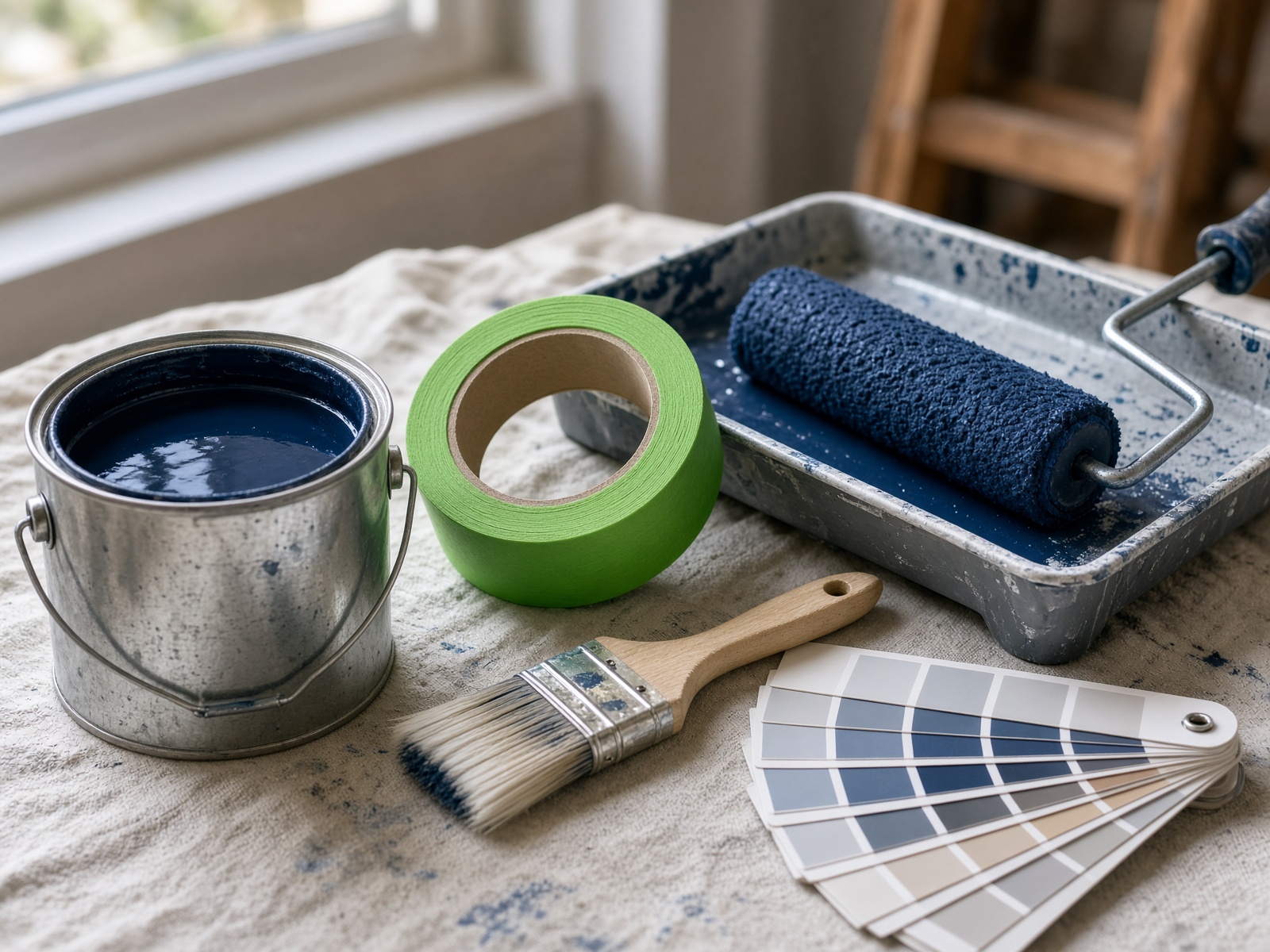
Nap is the pile on the cover — the fibers that hold paint and lay it down. Short nap is smooth. Long nap reaches into texture. Most interior walls in Otsego houses want 3/8 inch. That’s the one we grab first.
A cheap cover sheds lint into the first coat. Buy a woven or microfiber cover and throw it out when it mats. Don’t rinse a $4 roller until it falls apart and then wonder why the wall looks fuzzy.
1/4 inch — smooth and small
Doors, cabinets, trim, and dead-flat walls. Foam works on cabinets if you want even less texture. This nap won’t fill orange peel. If you use it on a typical drywall wall, you’ll see every skip.
3/8 inch — most walls
Light texture, eggshell or satin, living rooms and bedrooms. Pair it with a 9-inch frame and a decent tray. Load it, roll a W, fill it in, keep a wet edge. Two coats.
That’s the cover we use with Behr Marquee on a normal interior. If the wall is flatter than orange peel, you can drop to 1/4. If it’s heavier, go up.
3/4 inch — texture and ceilings
Popcorn, knockdown, heavy orange peel, and most ceilings. The long fibers reach the low spots so you aren’t dry-rolling the high ones.
On a smooth door, 3/4 leaves a stipple you’ll hate. Match the nap to the surface, not the one that came in the kit.
A quick pick
Cabinets and doors: 1/4 or foam. Walls: 3/8. Texture and ceilings: 3/4. If you’re unsure, send a photo of the wall with the estimate. The nap is a two-dollar decision that shows up on every square foot.